


Why Software Engineers Develop Bad Posture (And How to Actually Fix It)
- Alex

- May 17
- 6 min read

Most advice about posture tells you to sit up straight.
You try it for twenty minutes, forget about it, and by the next Zoom call you're back to the same position you've been in for years.
The reason that advice fails isn't lack of effort. It's that posture isn't a habit you remind yourself to maintain. It's a structural problem - and structural problems require structural solutions. Especially for software engineers, bad posture is a real struggle.
Here's what's actually happening in your body, and what works.
What Eight Hours at a Desk Does to Your Body
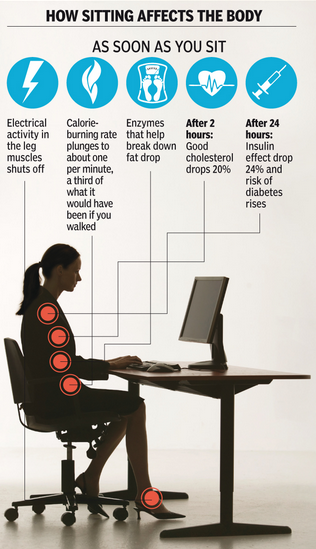
Software engineers spend more consecutive hours in a fixed position than almost any other profession. Eight, ten, sometimes twelve hours a day with the head slightly forward, shoulders rounded, hip flexors shortened, and the posterior chain - glutes, hamstrings, lower back - doing almost nothing.
The body adapts to the demands you place on it. This is the same principle that makes training work. You apply a stimulus, the body responds.
The stimulus of sitting for ten hours a day is this: the muscles that pull your shoulders forward get tight and overactive. The muscles that hold your shoulders back and down get weak and underactive. Your hip flexors, which are supposed to be long and mobile, become chronically shortened. Your glutes, which are supposed to be your primary source of power and stability, essentially stop firing properly.
This isn't posture in the aesthetic sense - a question of how you look. It's a functional problem. A body that spends ten hours a day in flexion loses the ability to extend properly. And that shows up everywhere: lower back pain, neck tension, shoulder impingement, headaches, reduced breathing capacity, even mood.
The engineers I work with who have the worst posture rarely have the worst chairs or the worst setups.
They have the most sedentary jobs combined with no physical counterbalance outside of work.
The Three Patterns I See Most
After working with software engineers for 5 years, the same dysfunctional patterns come up repeatedly.
The first is forward head posture.

For every centimeter your head moves forward from its neutral position over your spine, the effective weight your neck muscles have to support roughly doubles. Most people working at a laptop or monitor that isn't perfectly positioned are carrying what feels like a 10-15kg head instead of a 5kg one, for hours at a time.
This is why neck pain and upper trapezius tension are essentially universal in this population.
The second is rounded shoulders and a tight chest.

The pectorals and anterior deltoids pull the shoulders forward. When they're chronically shortened through hours of typing and mouse use, the rhomboids and lower trapezius - the muscles that retract the scapula - become lengthened and weak.
The result is the rounded upper back that looks like a question mark from the side.
The third is anterior pelvic tilt from tight hip flexors. The psoas and iliacus - the primary hip flexors - attach to the lumbar spine.
When they shorten from hours of sitting, they pull the lower back into excessive extension, creating the characteristic lower back arch and protruding belly that has nothing to do with body fat. This is also a major driver of the lower back pain that software engineers report constantly.
These three patterns don't exist in isolation. They're part of the same chain.
Fix one and the others start to resolve.
Why Stretching Alone Doesn't Fix It
The instinct is to stretch what's tight. Chest stretch, hip flexor stretch, neck stretch. This is correct as far as it goes, but it misses half the equation.
Stretching lengthens what's tight. But if the opposing muscles are weak, nothing changes structurally.
You stretch your chest, feel better for an hour, and then the tightness returns because the muscles pulling your shoulders forward are still stronger than the muscles holding them back.
Sustainable posture improvement requires two things simultaneously: releasing what's overactive and tight, and strengthening what's underactive and weak.
The tight muscles in a software engineer's body: chest, anterior shoulders, hip flexors, neck flexors.
The weak muscles: rear deltoids, rhomboids, lower trapezius, glutes, deep neck flexors.
The fix isn't complicated. But it requires consistent work on both sides of that equation.
What Actually Works
I'm not going to give you a 12-exercise corrective protocol that takes 45 minutes. Nobody does that consistently. Here's what actually moves the needle for people with limited time and high cognitive load.
The first change is the most important: two resistance training sessions per week that include pulling movements. Rows and face pulls are the highest-leverage exercises for the software engineer's posture problem because they directly strengthen the rhomboids, rear deltoids, and lower trapezius - exactly the muscles that are weak from years of desk work.
Every engineer I work with who trains consistently reports that their upper back and shoulder posture improves within weeks, without any deliberate posture "work."
This is the counterintuitive truth about posture correction: the gym does more for your posture than any amount of reminding yourself to sit up straight.
The second change is targeted hip flexor work. Not just stretching - loaded stretching that creates length under tension.
A deep lunge held for 30-60 seconds, done daily, addresses the chronically shortened hip flexors that are driving lower back pain and anterior pelvic tilt. This takes three minutes. Most software engineers who do it consistently report that lower back tension reduces significantly within two to three weeks.
The third change is glute activation. The glutes are the largest muscle group in the body and the foundation of spinal stability.
Hours of sitting essentially switches them off. Hip thrusts or glute bridges done for 2-3 sets before training - or even as a standalone 5-minute daily practice - re-establish the neural connection to muscles that have been dormant for most of your working hours.
The fourth is the only desk intervention that actually works: monitor height. Your screen should be at eye level so your head is neither dropped down nor tilted up.
If you're working on a laptop without a stand, you are spending hours with your head dropped forward, loading your neck with the equivalent of a small child sitting on your shoulders. A laptop stand costs less than an hour of your billing rate and removes the most common driver of forward head posture.
The Timeline
Posture problems that have developed over years don't reverse in a week. But they respond faster than most people expect when you address the root cause rather than the symptom.
With consistent training and the basic interventions above, most software engineers notice meaningful improvement in upper back tightness and neck tension within 3-4 weeks. Lower back issues driven by hip flexor tightness typically take 6-8 weeks of consistent work.
Full postural remodeling - where new patterns become default rather than effortful - takes several months. But you'll feel the functional benefits - less pain, more energy, easier breathing - long before the aesthetic change is obvious.
The engineers I work with don't think about posture anymore. They train, they move, and their body holds itself in a way that doesn't require constant monitoring. That's the goal: a structural solution, not a behavioral reminder you have to maintain forever.
One Place to Start
If you're a software engineer with neck tension, upper back tightness, or lower back pain, start with one thing this week: get your monitor to eye level.
Then add a set of rows to whatever you're already doing physically. Even if that's nothing - a set of 15 band pull-aparts costs you four minutes and starts building the muscles that are directly responsible for your rounded shoulders.
The posture problem is real. But it's a structural problem with a structural solution. And that's the kind of problem engineers are actually good at.
If you're a software engineer dealing with back pain, neck tension, or the physical consequences of years at a desk - I work 1:1 with tech professionals to build training and recovery systems that fit the actual constraints of this career. Book a free 30-minute call - no pitch, just an honest conversation about what's going on and what would help.


Comments